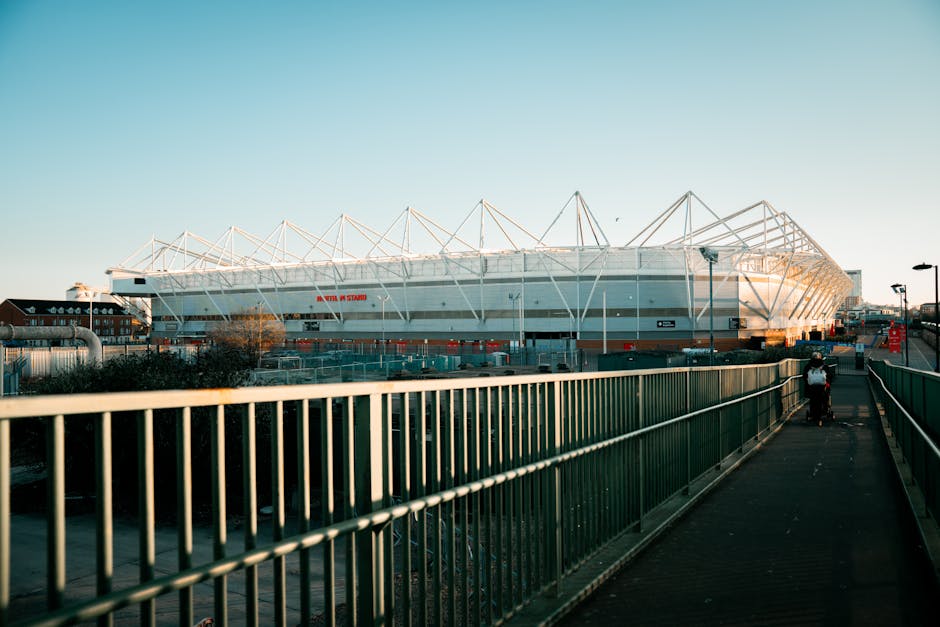
Stamford Bridge Fulham removals match day access and delays: a practical guide for moving in a busy west London corridor
If you are planning a move around Stamford Bridge or Fulham, the biggest challenge is often not the lifting, the packing, or even the parking. It is the timing. Stamford Bridge Fulham removals match day access and delays can turn an otherwise straightforward job into a slow, stop-start crawl if you leave things to chance. On Chelsea match days, nearby roads can feel tighter, busier, and less forgiving than usual; in Fulham, even a short van journey can take far longer than you expect. This guide explains how access changes, why delays happen, and how to keep your move calm, efficient, and realistic. Truth be told, a good moving plan in this part of London is mostly about respecting the calendar.
Key takeaway: the best removals strategy near Stamford Bridge is to build extra time into the job, keep access flexible, and avoid loading or unloading windows that clash with match traffic, road restrictions, or crowds.
Why Stamford Bridge Fulham removals match day access and delays Matters
This is a local moving problem with very real consequences. Stamford Bridge sits in an area where crowds, road management, parking pressure, and taxi traffic can all stack up at the same time. Fulham nearby has its own set of pinch points, especially where residential roads narrow, loading spaces are limited, or on-street parking is already under pressure on a normal day. Add a match at Stamford Bridge, and the whole rhythm of the neighbourhood changes.
For removals, that means delays can appear in places people often do not think about in advance: waiting for the van to stop, finding a safe place to load, getting from one side road to another, or simply reaching the property at the agreed time. A half-hour hold-up can snowball into missed lift bookings, stressed neighbours, tired movers, and a long, grumpy afternoon. Not ideal.
The topic matters because a move is rarely just one journey. It is a chain of tiny timings. If one link slips, the rest starts to wobble. That is especially true for house removals, flat removals, and smaller local jobs where the team expects to do several quick trips. In a high-traffic area, a short delay can be the difference between finishing before evening congestion and still unloading when everyone is hungry, frazzled, and looking at the clock.
There is also a trust angle. When a mover understands match day conditions, they are not just being cautious; they are protecting your day from unnecessary chaos. That is one reason many people choose a local operator with genuine area knowledge, whether they need local removals, man and van support, or a more complete removals and storage solution.
How Stamford Bridge Fulham removals match day access and delays Works
In simple terms, match day access issues come from temporary pressure on roads, parking, and pedestrian movement. Nearby streets become busier well before kick-off, and they often stay congested after the final whistle. That affects vans, large lorries, small moving vehicles, and even people carrying boxes from the front door to the road. On the surface it sounds manageable. In practice, one blocked turning circle or one unavailable loading bay can throw the whole schedule.
Here is what typically changes on a match day:
- Traffic increases on approach roads and feeder streets.
- Parking spaces disappear earlier than expected.
- Loading zones may be occupied or become awkward to use.
- Walking routes around the stadium fill up with pedestrians.
- Journey times become less predictable, especially close to kickoff and full time.
For removals teams, the issue is not only the drive. It is the whole access chain. Can the vehicle stop safely? Can the crew get from the van to the property without obstruction? Can furniture be moved without repeated pauses? If the answer to any of those is "not quite", then delays start to build.
In homes near the stadium, the effect can be surprisingly local. One street may be manageable while the next one is a headache. A driver who knows Fulham well will usually plan a cleaner route, but even then, match day patterns can shift quickly. It is a bit like trying to thread a needle while the room keeps moving.
That is why sensible planning is less about hoping the day will be quiet and more about assuming it may not be. A good removals plan leaves room for rerouting, early arrival, or a later loading window. It also considers whether part of the move should be split into stages, especially if you are moving from a flat, an office, or a property with limited access. For some moves, keeping items temporarily in secure storage or arranging mobile self storage is the calmer choice.
Key Benefits and Practical Advantages
The obvious benefit of planning around match day access is avoiding delays. But there are a few quieter advantages too, and they matter just as much.
1. Less stress on moving day
When access is already factored in, the day feels more controlled. You are not standing at the window wondering where the van has got to, or watching the clock as a lift slot slips away. That sounds small, but it changes the tone of the whole move.
2. Safer handling of furniture and boxes
Hurrying because traffic is backing up often leads to rushed lifting. That is where knocks, scrapes, and awkward carrying positions happen. A slower, better-timed move is usually a safer move. If your job includes larger items, furniture storage can also help you move in stages rather than forcing everything through one tight window.
3. Better coordination with neighbours and building rules
In shared buildings, access often depends on quiet loading, booked lifts, or temporary parking arrangements. If you already know a match day will complicate things, it is easier to plan politely and keep relations with neighbours intact. To be fair, that alone can save a lot of hassle.
4. More realistic delivery times
Anyone moving to or from Fulham around Stamford Bridge will benefit from a schedule that reflects actual road conditions rather than ideal ones. Reliable timings matter more than optimistic ones.
5. Better value for money
Delays can increase labour time, parking pressure, and the chance of needing a second trip. By planning around match day access properly, you reduce the odds of wasting time. If you want to compare move costs and package options, a sensible starting point is pricing and quotes.
Who This Is For and When It Makes Sense
This kind of planning is useful for far more people than you might think. If your move involves any of the following, the risk of delay rises quickly:
- flats near Stamford Bridge or within walking distance of the stadium
- houses on narrower Fulham roads
- small business moves where the van must stop briefly and repeatedly
- student moves with a tight timetable
- short-notice removals that cannot easily be rescheduled
- people moving large furniture through residential streets with limited parking
It is also relevant if you are not moving on the exact match day, but close to it. The day before a fixture can be busier than expected, and so can the hours after. In practice, the whole neighbourhood can feel "event-heavy" for longer than the fixture itself.
This is where a service like small removals can be particularly useful. Smaller vehicles are often easier to place in awkward streets, and if your move is simple enough, a compact approach can save time. Likewise, students moving out of a shared flat may find that student storage gives them breathing space when the timing just is not lining up neatly.
Business customers are not exempt either. If you are relocating files, stock, or office equipment, the safest route may be to use office removals alongside office storage or even document storage for items that do not need to move on the same day.
Step-by-Step Guidance
If you are moving near Stamford Bridge and you know a match is in the mix, a simple step-by-step plan will save you from chasing your tail later.
- Check the fixture window early. Before you book anything, confirm whether your move overlaps with a home game, fan arrival period, or departure period.
- Map the access route. Look at the likely route for the van and identify at least one backup approach. You do not need ten options. One decent backup is enough.
- Ask about parking and stopping space. Even short stops can become awkward near the stadium. Decide where the vehicle can wait, load, or unload safely.
- Build in a time buffer. Add extra time before the crew needs to start, especially if you are relying on elevators, loading bays, or a narrow frontage.
- Pack the essentials separately. Keep documents, chargers, keys, drinks, and a change of clothes in one easy-to-reach bag. No one wants to be hunting for a kettle base while the van is outside.
- Use the right moving format. For longer gaps or difficult access, consider splitting the move with removals and storage or using mobile self storage to reduce pressure.
- Confirm contact details. Make sure the driver, building manager, and any helper can reach each other quickly if the access plan changes.
Small practical detail: if your access is tight, label boxes by room and priority, not just by contents. That way, if the team has to unload in stages because of a delay, the most important items come off first. It sounds simple. It is simple. And it works.
Expert Tips for Better Results
In our experience, the best local moves are not the most ambitious ones; they are the ones that leave the least room for surprise. That is especially true around Stamford Bridge.
Move early, not merely on time
"On time" is often too late if the access window sits inside a busy period. Early arrival gives you breathing space if the road is slower than expected or a loading point is occupied. Even 20 minutes can matter.
Choose a vehicle size that matches the street, not just the inventory
A bigger van is not always better. Around Fulham, a smaller vehicle may be easier to place and easier to unload. The right choice depends on your street, your furniture, and how much turning room you actually have.
Keep high-value items separate
Passports, contracts, laptops, jewellery, medication, and keys should travel with you, not in the van. That is basic advice, but people forget it when the day gets busy. Happens all the time.
Think in stages if the area is busy
If you are worried about delays, move the non-urgent items first and the essentials later. Staging the move is often less stressful than forcing everything through one overloaded slot. This is where short term storage can be a genuine lifesaver.
Use the move to simplify, not just transport
People often pack too much because they are emotionally attached to "maybe useful one day" items. You know the type: old cables, duplicate lamps, a chair no one likes. Match day delays are a rude reminder that less stuff means less stress. A moving day is a great excuse, honestly.
Common Mistakes to Avoid
The most common errors are also the most avoidable.
- Booking at a fixture-adjacent time without checking access. Even if the house itself is ready, the street may not be.
- Assuming a sat nav knows the whole picture. It may show the fastest route, but not the most practical one for a van.
- Leaving parking arrangements to the last minute. Near Stamford Bridge, that is usually a gamble.
- Overpacking fragile boxes. If the move gets delayed, fragile packing gets tested for longer than you want.
- Not warning building staff or neighbours. A quick heads-up can prevent awkwardness at the exact moment you need cooperation.
- Forgetting weather and evening traffic. A wet evening after a match is not the time to discover you planned too tightly.
One subtle mistake is thinking every delay is a disaster. It is not. Sometimes the best response is simply to pause, adjust the route, and keep the crew working safely. Panic rarely helps. Calm usually does.
Tools, Resources and Recommendations
You do not need a huge toolkit to manage access and delay risk well. A few sensible resources are enough.
- Written move plan: a basic timeline with arrival, loading, travel, and unloading slots.
- Contact list: driver, building contact, and one person who can make decisions fast.
- Room-by-room labels: helps the team unload in a useful order if timings shift.
- Inventory note: useful for checking what should be moved, stored, or left behind.
- Flexible storage option: helpful if your schedule clashes with match-day pressure.
If your move includes fragile, confidential, or high-value items, it is worth looking at secure storage for a safer temporary arrangement. For households that are between homes or waiting on completion dates, household storage can reduce the pressure to do everything in one go. Businesses may prefer business storage when office access becomes tricky.
A few other helpful pages on the site cover practical moving support and company information, including packing services, removals, and about us. For service confidence and peace of mind, it is also sensible to review insurance and safety, health and safety policy, and terms and conditions. Not glamorous, perhaps, but very worth a quick read.
Law, Compliance, Standards, or Best Practice
This topic sits in the real world, so compliance and best practice matter. While every move is different, there are a few sensible UK expectations to keep in mind.
First, loading and stopping should be done safely and legally. That means respecting local parking rules, keeping pedestrian access clear, and avoiding risky unloading in a way that could create danger for residents or passers-by. Around a stadium, this becomes even more important because foot traffic can be dense and unpredictable.
Second, removals teams should work in line with sensible manual handling practice. Heavy items should be lifted with care, moved using suitable equipment, and handled in a way that reduces the risk of injury. If access is awkward, the right answer is usually to slow down and adapt, not to muscle through.
Third, if you are using storage as part of your plan, look for clear terms around item handling, security, and payment. For many customers, a transparent provider matters as much as the storage space itself. You can also review payment and security and privacy policy if you want a better sense of how your details and payments are managed.
Finally, if you have questions about a service issue, the right place to raise them is the provider's complaints route rather than trying to sort everything ad hoc on moving day. It sounds obvious, but people often forget it when they are tired. If needed, there is also an accessibility statement available for customers who need to understand how access and service support is approached.
Options, Methods, or Comparison Table
Different moving methods suit different levels of access pressure. Here is a simple comparison to help you think clearly.
| Method | Best for | Strengths | Trade-offs |
|---|---|---|---|
| Direct same-day removals | Flexible streets and non-match days | Fast, straightforward, minimal handling | Most exposed to traffic delays and parking issues |
| Small removals / man and van | Compact loads, flats, short local moves | Easier access, often more adaptable | May require more trips for larger moves |
| Removals plus storage | Timing gaps, completion delays, match-day pressure | Reduces schedule stress, gives breathing room | Adds an extra step to the process |
| Mobile self storage | When you want collection and staged delivery | Very useful for tight access and flexible timing | Not always the fastest option if you need everything immediately |
For many people near Stamford Bridge, the smartest choice is not the largest vehicle or the fastest-looking plan. It is the one with the most flexibility. That is the real currency here.
Case Study or Real-World Example
Picture a family moving from a Fulham flat on a Saturday morning, with a Chelsea home match due later that afternoon. On paper, the job looks manageable: a few bedrooms, some furniture, and boxes already packed the week before. But once the van reaches the area, the streets are busier than expected, a loading point is occupied, and the building lift is being used by neighbours with their own plans. Suddenly, the "easy" move is a race against the clock.
Instead of forcing the schedule, the removals team pauses the loading sequence, shifts the heaviest items to first priority, and uses a nearby storage solution for the least urgent boxes. The family keeps essentials with them, the van avoids the busiest part of the traffic build-up, and the move finishes later than hoped but without drama. No broken lamp. No frantic shouting. No last-minute decision-making while everyone is tired.
That kind of outcome is common when the plan is realistic. The day may still have a few bumps. It is London, after all. But the bumps stay manageable when access, timing, and storage are treated as part of one move rather than separate problems.
Practical Checklist
Use this checklist before moving day if Stamford Bridge match traffic could affect your route.
- Confirm whether a match or event overlaps with your moving window.
- Check access to your property, including any lift booking or loading rules.
- Choose the best vehicle size for the street and the volume of goods.
- Build in extra time for travel, loading, and unloading.
- Keep key documents, keys, chargers, and medication separate.
- Label boxes by room and priority.
- Tell neighbours or building staff if access will be busy.
- Have a backup plan if parking or stopping space disappears.
- Consider storage if the schedule is too tight.
- Review safety, payment, and terms before confirming the job.
Practical reminder: if the moving plan only works perfectly on a quiet day, it is not a strong plan for Stamford Bridge or Fulham. Build the plan for the busy version of the day.
Conclusion
Stamford Bridge Fulham removals match day access and delays are not just a nuisance; they are a planning issue that can shape the whole moving experience. Once you accept that local traffic, parking pressure, and crowd movement can change quickly, it becomes much easier to make smart choices. You can choose a better time, use the right vehicle, split the move if needed, and lean on storage where it genuinely helps.
The real win is not perfection. It is calm. A move that feels controlled, even with a few delays, is usually a move that ends well. And in a part of London where one match can change a whole street's rhythm, that calm is worth planning for.
If you are mapping out a move in Fulham or near Stamford Bridge, take a few minutes now to compare your options, protect your timing, and choose the setup that gives you the most breathing room.
Get a free quote today and see how much you can save.
Frequently Asked Questions
Can match days really affect removals near Stamford Bridge?
Yes. Even if your property is not right next to the stadium, nearby roads can become busier, parking can tighten up, and arrival times can slip. The effect is often bigger than people expect.
How much extra time should I allow for a move on a match day?
There is no single answer, because the route, time of day, and property access all matter. A sensible approach is to add a meaningful buffer rather than hoping the schedule will run exactly as planned.
Is Fulham more difficult to move in than other parts of west London?
Not always, but local road layout, parking pressure, and event traffic can make certain streets more awkward than average. The issue is usually access timing, not the area itself.
Should I avoid booking a removal on a Chelsea home match day?
If you can avoid it, that is often the easiest option. If you cannot, careful timing, a flexible vehicle choice, and realistic expectations become even more important.
What is the best moving option if my street is hard to access?
A smaller vehicle, a staged move, or a removals-and-storage plan often works better than trying to do everything in one rushed trip. The right answer depends on the size of your load.
Can storage help if my move is delayed by traffic?
Absolutely. Short-term or mobile storage can give you room to pause the process instead of forcing everything through a crowded access window.
Are man and van services suitable for Stamford Bridge area moves?
Often yes, especially for smaller loads, flats, and short local journeys. They can be more flexible in tight streets, though larger moves may still need a fuller removals plan.
What should I do if parking disappears when the van arrives?
Have a backup stopping point ready in advance and keep the driver updated. If the area is genuinely blocked, it may be safer to wait briefly than to force a risky stop.
Do I need to tell my building or neighbours about the move?
It is usually a very good idea. A quick warning helps with lift use, loading space, and general cooperation, which can save time and reduce awkwardness.
What if my move includes expensive or sensitive items?
Consider secure storage or separate transport for those items. It is better to keep them under controlled handling than to let them ride along in the busiest part of the day.
How do I choose between direct removals and removals with storage?
If timing is tight, access is difficult, or completion dates are uncertain, storage can take a lot of pressure off the day. Direct removals suit cleaner schedules and easier access.
Where can I find more information about services and trust details?
Helpful starting points include the site's pages on removals, packing support, insurance and safety, and pricing. Reviewing those early can make the whole process feel much more settled.
Is this type of move suitable for office relocations too?
Yes. Office relocations face the same access issues, especially when equipment, files, and staff timing need to be coordinated carefully. In some cases, office storage is the calmer route.
Moving near Stamford Bridge does not have to feel like a scramble. Plan well, keep a little flexibility, and the whole day becomes easier to carry, one box at a time.